
Chesterfield & Derbyshire
Damp Proofing in Chesterfield & Derbyshire
Damp can significantly impact the structural integrity and appearance of your property. G Lee Plastering diagnoses and treats rising damp, penetrating damp and condensation problems across Chesterfield, Derbyshire and Sheffield and South Yorkshire, with a long-lasting solution tailored to the cause.
Treating the Cause, Not Just the Symptom
Damp proofing is different from plastering or rendering because the job is not about the finish, it is about moisture. Peeling paint, crumbly plaster and staining are symptoms; the real work is identifying whether the cause is rising damp, penetrating damp or condensation, then treating it correctly before any new plaster goes back on. Left untreated, damp leads to structural damage, mould growth and poor indoor air quality.
- Damp proof course (DPC) installation to stop rising damp at source
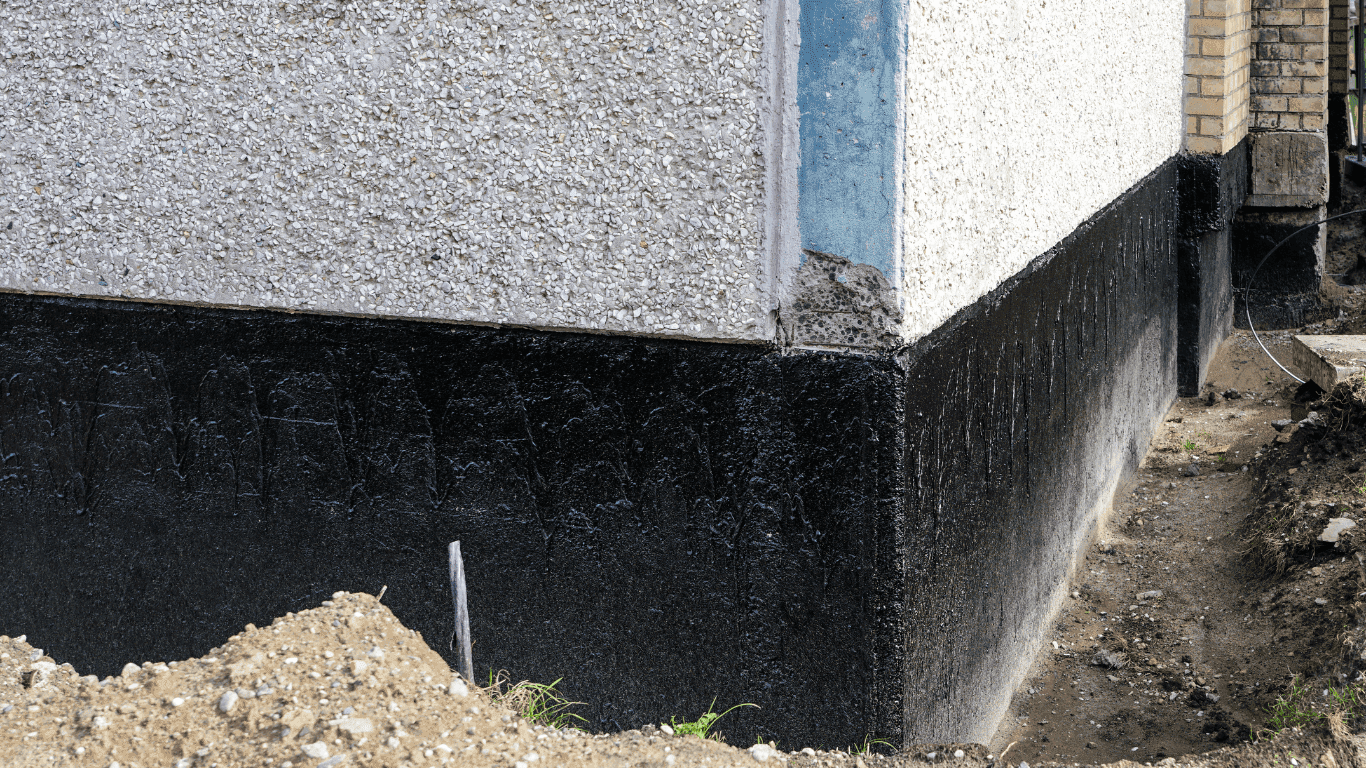
- Waterproof coatings and sealants that still let the wall breathe
- Chemical injection creams to restore damp proofing in older walls
- Membrane systems for properties with significant or below-ground damp
- Full replastering after treatment, so it is one complete job
Areas We Cover
We carry out damp proofing across Chesterfield, Derbyshire, Dronfield and Sheffield. Choose your town below for local pricing, recent project examples and full coverage details.
Plus the Towns & Villages Nearby
We also cover damp proofing in the surrounding towns and villages below. Select yours for local detail and a free quote, or see the full list of areas we cover.
Damp Proofing FAQs
Answers to the questions we get asked most about damp diagnosis and treatment.
What is the difference between rising damp and penetrating damp?
Rising damp is moisture drawn up through a wall from the ground, usually because the original damp proof course has failed or was never fitted. Penetrating damp comes in horizontally, typically through a defect such as a cracked render, faulty guttering or a blocked cavity. The treatment for each is different, which is why an accurate diagnosis matters.
How do I know if I have a damp problem?
Common signs include peeling paint or wallpaper, a musty smell, mould or mildew patches, crumbly or soft plaster, and brownish tide marks or staining on walls and ceilings. Any of these are worth having looked at before the damage spreads further.
What methods do you use to treat damp?
Depending on the cause, we use damp proof course installation, waterproof coatings that repel water while letting the wall breathe, chemical injection creams to restore a damp proof barrier in older buildings, and membrane systems for properties with more significant damp or below-ground spaces.
Do you replaster after damp treatment?
Yes. Once the underlying cause is treated, we carry out the replastering with the correct render and finish coats specified for a damp proofed wall, so you get one complete job rather than needing a separate plasterer to finish it off.
How long does a damp proofing job take?
A straightforward chemical injection DPC on one wall can often be completed within a day, but the wall then needs time to dry out before replastering, which can take several weeks depending on the severity of the damp and the thickness of the wall.
Is condensation the same as damp?
Not exactly. Condensation is caused by warm, moist air meeting a cold surface, often linked to poor ventilation, and it needs a different approach, such as improved airflow, to rising or penetrating damp caused by a structural or building defect.
Will damp proofing stop mould coming back?
Treating the source of the moisture, whether that is a failed DPC, a building defect, or poor ventilation, is what stops mould returning long term. Cleaning mould off the surface without addressing the cause only offers a temporary fix.
Does damp affect the value of my property?
Yes, untreated damp can affect a property's structural integrity, its appearance, and its saleability, since surveys commonly flag damp issues that buyers and mortgage lenders take seriously. Dealing with it properly protects the value of the property.
Can old and listed properties be damp proofed?
Older and period properties often need a more sympathetic approach, sometimes better suited to breathable lime systems rather than modern chemical DPCs, so the walls can manage moisture naturally without trapping it. We assess each property individually before recommending a method.
How much does damp proofing cost in Chesterfield and Derbyshire?
Cost depends on the extent of the damp, the treatment method required, and whether replastering is needed afterwards. Call us on 01246 460 078 or send your details through this page for a free, no-obligation assessment.
Ready for a Free Damp Proofing Assessment?
Call G Lee Plastering on 01246 460 078 or send us your details and we will get back to you promptly.